


I Got a Hair Transplant in Turkey: My Real Cost, Recovery & Before-and-After Results

By a professional barber with 16 years of experience | Procedure: July 2024 | Cosmedica Clinic, Istanbul
In July 2024, I boarded a plane to Istanbul, Turkey, to get a hair transplant. I was about to have approximately 3,500 hair grafts transplanted through a procedure called FUE, and like most people considering a hair transplant, I had plenty of questions running through my head.
Would it hurt? Would the transplanted hair actually grow? Would my hairline look natural? And was traveling halfway around the world really worth it?
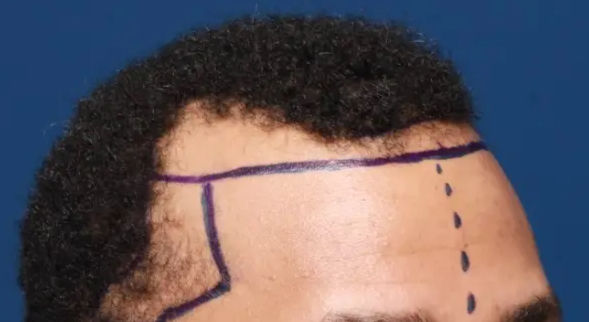
I'm a professional barber with 16 years of experience. I've spent thousands of hours cutting hair, working with different hairlines, and seeing how much someone's hairstyle can affect their confidence.
But this time, I wasn't the barber helping someone else feel better about their appearance. I was the person sitting in the chair.
Almost two years later, I can say that getting a hair transplant in Turkey was one of the best personal decisions I've made.
Here's exactly what I paid, why I chose Turkey, what the procedure felt like, how my recovery went, and when I finally started seeing results.

Why I Decided to Get a Hair Transplant in Turkey
There were two main reasons I chose Turkey: the price and a YouTube video.
Hair transplants in Turkey were considerably more affordable than the options I was considering in the United States. That initially caught my attention, but price alone wasn't enough to convince me.
I had come across this guy on YouTube who had pretty much the same hair as me. Same texture, similar hairline, even the way he was losing his hair was almost identical. So naturally I was interested in seeing how his transplant turned out.
I ended up following his journey, and his results were really good. Seeing someone with hair so similar to mine get those kinds of results gave me a lot more confidence. I eventually decided to go with the same clinic he went to.
That clinic was Cosmedica Clinic in Istanbul, associated with Dr. Levent Acar.
I didn't choose Turkey because someone guaranteed me perfect results. I chose it because I had seen an outcome that felt achievable for someone with hair like mine.

How Much Did My Hair Transplant in Turkey Cost?

Let's get straight to one of the biggest questions people have:
How much does a hair transplant in Turkey actually cost?
Here is my personal cost breakdown from July 2024:
Hair transplant package, including hotel: $2,700.
Optional pre-anesthesia: $50.
Round-trip airfare: $1,300.
Total for these expenses: $4,050.
My package covered the procedure and hotel accommodations. The clinic also arranged for someone to meet me at the airport and transport me to my hotel.
The $4,050 represents those three expenses. It doesn't account for any additional personal spending.
For approximately 3,500 grafts, I was extremely satisfied with what I received for the money.
Of course, these were my prices in 2024, not a current quote. Packages, exchange rates, flights, and treatment options can change significantly.
If you're researching hair transplant costs in Turkey today, I would strongly recommend getting a detailed written quote explaining exactly what's included.
Arriving in Istanbul: Was Traveling to Turkey Stressful?

I'm not going to pretend traveling to another country for surgery wasn't a little nerve-racking.
You're going somewhere unfamiliar, you don't speak the native language, and you're trusting people you've never met with a procedure that could permanently change your appearance.
But my experience arriving in Istanbul was surprisingly smooth.
The clinic arranged for a driver to meet me at the airport. He was incredibly friendly and brought me directly to my hotel.
That made a big difference.
Instead of worrying about finding transportation or navigating an unfamiliar city, I felt like there was already a system in place to guide me through the process.
Istanbul has a well-established hair-transplant tourism industry, and my experience was that the logistics were very organized.
That doesn't mean every clinic offers the same level of service, but the transportation and accommodation arrangements were one of the things Cosmedica handled particularly well for me.
Did My Hair Transplant Hurt? My Honest Experience

This was probably my biggest surprise.
My hair transplant procedure was practically painless.
I went into it expecting considerably more discomfort.
The clinic used local anesthesia to numb my scalp. Once the anesthesia took effect, I couldn't feel the actual transplant work being performed.
There were moments when I started feeling something, but all I had to do was tell the staff, and they administered additional anesthesia.
After that, I was comfortable again.
The Extra $50 I Was Glad I Spent
One thing I had heard from other people's experiences was that the initial anesthesia injections could be painful.
Cosmedica offered an optional pre-anesthesia treatment for an additional $50.
Essentially, they numbed the area before administering the deeper local anesthesia injections.
In my opinion, that was money very well spent.
I would absolutely choose that option again.
Now, I want to be clear: This was my personal experience. Other people may experience different levels of pain or discomfort depending on the procedure, their sensitivity, and how anesthesia is administered.
But for me, the procedure itself was much easier than I expected.
The First Few Days After Surgery: An Emotional Roller Coaster

Something I wasn't completely prepared for was the emotional side of recovery.
Immediately after the procedure, you can see all these tiny dark dots where the new hair grafts were placed.
And when you look in the mirror, something exciting happens.
If you squint a little, you can almost imagine the finished result.
You can see where your new hairline is supposed to be. You can imagine having hair in places where it hasn't grown in years.
But that excitement comes with uncertainty.
What if the grafts don't grow?
What if the hairline doesn't look natural?
What if I spent all this money and traveled all this way for nothing?
For me, the first few days were filled with those kinds of thoughts.
One minute I was excited about the possibilities. The next minute I was questioning how everything would turn out.
Overall, I was happy and optimistic, but the uncertainty was real.
The Facial Swelling Was Worse Than I Expected
The first day after surgery really wasn't too bad.
But around day two, the swelling started.
It began around my forehead and gradually moved down my face.
Over approximately the next four days, my face became extremely swollen.
I remember looking in the mirror and being a little alarmed by how different I looked.
It wasn't particularly painful, but it was unsettling.
The swelling was probably the most uncomfortable part of the experience psychologically, simply because of how dramatic it looked.
Temporary swelling can occur following hair transplant surgery, but severe or unexpected symptoms should always be evaluated by a medical professional.
Sleeping, Showering, and Protecting the New Grafts

The first couple of weeks required some adjustments to my normal routine.
The clinic gave me a neck pillow and instructed me to sleep in a more upright position for approximately two weeks.
The goal was to avoid putting unnecessary pressure or friction on the newly transplanted grafts.
You also have to be careful with ordinary things you normally wouldn't think twice about.
For example, putting on or removing a shirt suddenly becomes something you have to pay attention to.
You don't want clothing rubbing against your scalp.
Washing My Hair After the Transplant
The clinic gave me specific washing instructions.
I was told not to put my head directly underneath the shower's spray because of the water pressure.
Instead, I used a cup to gently pour lukewarm water over my scalp.
The doctor also instructed me to avoid hot water for at least a month.
I received a shampoo and aftercare kit that the clinic recommended using during recovery.
Those were the instructions given to me personally. Anyone having a transplant should follow their own surgical team's aftercare plan, because instructions may differ depending on the procedure and stage of healing.
What Medication Did I Take After My Transplant?
The clinic provided several medications, including antibiotics, pain medication, something for swelling, and a longer-term medication they recommended taking regularly to support hair growth.
I personally took the antibiotics and the medication intended to help with swelling.
I didn't take the pain medication because I wasn't experiencing significant pain.
I also decided against taking the longer-term hair-growth medication.
That was a personal decision. I've always preferred to avoid taking additional medication when I feel it isn't necessary.
My results ultimately turned out very well, even without taking that particular medication.
But I want to stress something important: My outcome doesn't mean other people should skip prescribed medication.
Hair loss can continue in non-transplanted hair, and medical treatments may help preserve existing hair. Anyone considering stopping or changing prescribed medication should discuss that decision with their doctor.
I'm sharing what I actually did, not recommending it as a treatment plan.
When Did My Hair Transplant Start Growing?
This is where patience becomes incredibly important.
After surgery, you're excited because you can see where the transplanted hair has been placed.
Then recovery begins.
First Month: Healing and Scabs

During the first several weeks, small scabs formed around the transplanted areas.
Those gradually began coming off as my scalp healed.
The initial appearance of having a newly defined hairline started to disappear, and I found myself looking bald again.
That can be discouraging when you've just spent thousands of dollars hoping to get your hair back.
Temporary shedding of transplanted hair is also common after surgery, according to the American Academy of Dermatology.
But this is part of why I think people need realistic expectations before getting a transplant.
Months 2–3: Waiting for Something to Happen
Eventually, I began noticing tiny new hairs.
They looked very thin and weak at first.
Nothing about them screamed that I was about to have a full-looking hairline.
But they were there.
And after spending so long worrying about whether the procedure would work, seeing those little hairs was encouraging.
Months 4–5: The Results Became Noticeable

Around the four- or five-month mark, things started getting exciting.
The growth was becoming much more noticeable.
I could finally see meaningful progress, rather than just hoping the grafts would eventually grow.
It was still a work in progress, but I was starting to feel increasingly confident about my decision.
Months 9–12: My Hair Transplant Results
By approximately nine to twelve months after the procedure, I felt like I was very close to my full results.
Looking back at where my hairline started and how far it had come was incredibly satisfying.
As a barber, I pay attention to details like hairline shape, density, and how naturally hair blends into the surrounding areas.
I wasn't expecting an entirely new head of hair overnight. I wanted an improvement that would look natural and give me more confidence in how I wore my hair.
For me, the procedure delivered that.
What I Learned About Hair Transplants as a Barber
Having spent 16 years cutting hair, I think I approached my results a little differently than the average person.
I'm constantly looking at how hair grows, how it lays, how much density someone has, and how different hairstyles affect the appearance of their hairline.
One thing I would tell anyone considering a hair transplant is that the goal shouldn't necessarily be to recreate the exact hairline you had as a teenager.
What matters is getting a natural-looking result that works with your existing hair, face shape, and long-term hair-loss pattern.
Hairlines are not identical from person to person.
A hairstyle that looks fantastic on one person might not work nearly as well on someone with a different density or texture.
This is also why I was so interested in finding someone on YouTube whose hair looked like mine before deciding where to go.
Today, I have more confidence and flexibility when it comes to styling my own hair.
And that means a lot to me.
Would I Recommend Getting a Hair Transplant in Turkey?
Based on my personal experience, yes.
I'd rate my overall experience at Cosmedica Clinic a 10 out of 10.
The airport pickup was organized, the staff made me feel comfortable, the procedure was surprisingly painless, and most importantly, I'm extremely happy with how my hair turned out.
But I wouldn't recommend choosing a clinic based only on price, a social media video, or someone else's results — including mine.
A hair transplant is still surgery.
Before committing, I would recommend researching the medical professionals involved, confirming who performs the important surgical steps, understanding the possible complications, and arranging appropriate follow-up care after returning home.
The International Society of Hair Restoration Surgery emphasizes the importance of qualified medical supervision, and the CDC highlights additional considerations when traveling internationally for medical procedures.
A good experience doesn't eliminate those risks.
Frequently Asked Questions About My Turkish Hair Transplant
How much did my hair transplant in Turkey cost?
I paid $2,700 for my procedure and hotel package at Cosmedica Clinic in July 2024. I also paid $50 for optional pre-anesthesia and approximately $1,300 for round-trip airfare, bringing those expenses to $4,050.
How many grafts did I receive?
I received approximately 3,500 grafts using FUE, or follicular unit extraction.
Was my Turkish hair transplant painful?
For me, the procedure was surprisingly painless. Local anesthesia kept my scalp numb, and I could request additional anesthesia whenever I felt discomfort.
How long did it take for my hair to grow?
I started noticing small hairs during the early months. Growth became noticeably stronger around months four and five, and I felt close to my final results around nine to twelve months.
Did I experience swelling?
Yes. My swelling began around the second day and became significant across my face over the following several days. It wasn't particularly painful, but it was unsettling.
Did I take hair-growth medication afterward?
I chose not to take the longer-term hair-growth medication recommended to me. That was my personal choice, not medical advice. Other patients should discuss their medication plans with their treating physician.
Was getting a hair transplant in Turkey worth it?
For me, absolutely. Between the cost, the experience, and my results, I have no regrets.
Final Thoughts: Getting My Hair and Confidence Back
If there's one thing I want people to understand about my hair transplant experience, it's that the biggest benefit wasn't simply growing more hair.
It was getting confidence back.
Hair loss can affect people differently. Some men embrace it without thinking twice. Others spend years changing hairstyles, avoiding certain angles in photographs, or worrying about their hairline.
For me, getting the transplant was something I had seriously considered, and I'm glad I followed through.
The recovery wasn't always easy. The swelling was alarming, the uncertainty was frustrating, and waiting months for results required patience.
But looking at my hair today, I feel like the experience was worth every penny.
And as someone who has spent his career helping other people look and feel better after a haircut, it's pretty satisfying to experience that confidence boost myself.
Need a haircut that works with your hairline? Whether you've had a hair transplant, are dealing with thinning hair, or simply want a fresh cut, FindAHaircut helps you search for barbers with available appointments.
You can also read our guide to the seven stages of the Norwood Scale to better understand common patterns of male hair loss.
About the Author
This article was written from the firsthand experience of a professional barber with 16 years in the industry who underwent an FUE hair transplant at Cosmedica Clinic in Istanbul in July 2024.
The procedure, costs, recovery, and results described are personal experiences. Medical information has been supplemented with established medical sources.
Medical References and Resources
Medical disclaimer: This article shares a personal experience and general educational information. It is not medical advice. Surgical outcomes vary, and anyone considering hair transplantation should consult a qualified medical professional.


Comments